Mastering Gluten-Free Roux: Your Essential Guide to Perfect Sauces, Gravies, and Gumbo
Creating delicious, rich, and perfectly thickened dishes just got easier, even with dietary restrictions! This comprehensive guide to making an easy Gluten-Free Roux is your ultimate resource for transforming your favorite recipes like creamy macaroni and cheese, savory gravy, and authentic gumbo into delightful gluten-free versions. We even include detailed instructions for a Grain-Free (and paleo-friendly!) Roux, ensuring you have all the tools to achieve culinary excellence without compromise. Say goodbye to thin, watery sauces and hello to beautifully thickened dishes, every single time.

Why You’ll Adore This Versatile Gluten-Free Roux Recipe
This gluten-free roux recipe stands out for its flexibility, fantastic flavor, and ease of preparation. Here’s why it’s about to become a staple in your kitchen:
- Unbeatable Flavor & Dairy-Free Option: You have the freedom to craft this roux using either rich butter or flavorful meat drippings. While butter provides a classic, creamy base, incorporating drippings from roasted meats (like chicken or beef) infuses your roux with incredible depth and umami, elevating the overall taste of your finished dish. Furthermore, using drippings makes this recipe naturally dairy-free, catering to a wider range of dietary needs without sacrificing taste. This versatility means you can tailor your roux to complement any meal, from a simple pan sauce to a hearty stew.
- Mastering All Roux Types with One Recipe: A single recipe offers a spectrum of possibilities. We’ve meticulously included instructions within the recipe card for achieving a light roux, medium roux, and dark roux. Each type boasts distinct characteristics in color, flavor, and thickening power, making them suitable for different culinary applications. Whether you need a subtle thickener for a delicate white sauce or a deep, nutty base for a robust Creole masterpiece, this guide empowers you to confidently create the perfect roux for any occasion.
Chef’s Essential Tips for Perfect Gluten-Free Roux
Achieving a perfect gluten-free roux requires a little attention to detail, but with these expert tips, you’ll be whisking like a pro in no time. Understanding the nuances of gluten-free flours and the roux-making process will ensure consistent, delicious results.
- Understanding Gluten-Free vs. Grain-Free Flours: Our recipe card provides options for both a general Gluten-Free Roux (using an all-purpose gluten-free flour blend) and a Grain-Free Roux (perfect for paleo diets, utilizing cassava flour). It’s crucial to note that cassava flour will darken significantly faster than traditional all-purpose gluten-free flour blends. This is due to its starch composition and how it reacts to heat. When working with cassava flour, maintain a vigilant eye and stir constantly to prevent burning. If your roux burns, there’s no salvaging it – the scorched taste will permeate your entire dish. The only solution is to discard it and start fresh, so prioritize slow, consistent heat and constant whisking.
- The Inverse Relationship: Thickening Power and Darkness: A key principle in roux making is that its thickening power diminishes as the roux darkens. Lighter roux retains more of its starch’s thickening capabilities, making it ideal for delicate sauces where maximum thickening is desired without imparting a strong flavor. As you cook and darken the roux, the starches break down, resulting in less thickening power but a deeper, nuttier, and more complex flavor. Therefore, consider the desired consistency and flavor profile of your final dish when deciding how dark to make your roux. For thicker gravies or stews, a lighter or medium roux might be more effective, whereas a dark roux is prized for its flavor in dishes like gumbo, where a slightly thinner consistency is often acceptable or compensated for by other thickeners.
- Choosing Your Equipment: A heavy-bottomed pan, such as a Dutch oven or a thick stainless steel saucepan, is ideal. This helps distribute heat evenly and prevents hot spots that can lead to burning. A sturdy whisk is also indispensable for constant stirring and preventing lumps.
- Temperature Control is Key: While the recipe calls for medium-low heat, adjusting it slightly to maintain a gentle sizzle (not a fierce fry) is crucial. Too high heat will burn the flour quickly; too low and it will take an eternity to brown. Be patient and keep the heat consistent.
- Constant Whisking: This cannot be overstated. Whisking continuously ensures that the flour cooks evenly, prevents lumps from forming, and stops the flour from sticking to the bottom of the pan and burning. Think of it as a meditative process!

Understanding Roux: The Foundation of Flavor and Texture
Before diving deeper into the gluten-free variations, it’s helpful to understand the fundamental concept of roux. At its core, a roux is a classic French thickening agent made by cooking equal parts (by weight) of fat and flour together. This simple combination forms a paste that, when cooked and then whisked into a liquid, acts as a binder, creating a smooth, rich consistency. Beyond thickening, the cooking process of the flour in fat eliminates the raw flour taste and develops complex flavors, making roux a cornerstone of many European and Creole cuisines.
The Gluten-Free Challenge and Our Delicious Solution
Traditional roux relies on wheat flour, which contains gluten. For individuals with celiac disease, gluten sensitivity, or those following a gluten-free diet, this immediately presents a challenge. The good news is that an effective gluten-free alternative is not only possible but incredibly easy to make. By substituting wheat flour with a suitable gluten-free flour blend or a grain-free flour like cassava, you can achieve the same thickening power and flavor development without any gluten. Our recipe utilizes these alternative flours to ensure everyone can enjoy rich, thickened sauces.
Choosing Your Ingredients: Fats and Flours
The beauty of this gluten-free roux recipe lies in its adaptability:
- Fats:
- Butter: Provides a rich, creamy flavor and is excellent for most sauces and gravies. Opt for unsalted butter so you can control the seasoning.
- Drippings: Pan drippings from roasted chicken, beef, or pork are a game-changer. They infuse the roux with incredible savory depth and, as a bonus, make your roux dairy-free. This is particularly fantastic for gravies designed to accompany roasted meats.
- Other Oils: While butter and drippings are preferred for flavor, neutral oils like vegetable oil or canola oil can also be used, especially if you need a truly flavorless thickening agent or are avoiding dairy and animal fats. However, be aware that they might not contribute the same depth of flavor.
- Flours:
- All-Purpose Gluten-Free Flour Blend: Look for blends that typically combine rice flour, potato starch, tapioca flour, and sometimes xanthan gum. These blends are designed to mimic the properties of wheat flour and are generally reliable for roux.
- Cassava Flour (for Grain-Free/Paleo): Derived from the cassava root, this flour is an excellent grain-free option. As mentioned in our chef’s tips, it browns much faster, so constant vigilance is required. It delivers a wonderfully smooth texture.
- Flours to generally avoid for roux: Coconut flour (too absorbent, distinct flavor), almond flour (doesn’t thicken well, can become gritty).
Common Mistakes to Avoid for a Perfect Roux
- Burning the Roux: The most common mistake. Once burned, the flavor is irrevocably bitter. Always cook over medium-low heat and stir continuously.
- Lumps: Lumps form when flour isn’t evenly incorporated into the fat or when liquid is added too quickly to the roux. Ensure your flour and fat form a smooth paste before adding liquid, and always whisk vigorously while slowly adding cool liquid to hot roux (or hot liquid to cool roux).
- Not Cooking Long Enough: An undercooked roux will leave a raw flour taste in your dish. Ensure you cook it to the desired color and aroma, allowing the starches to fully cook out.
- Incorrect Proportions: While “equal parts” is a general rule, sometimes slight adjustments are needed based on the specific flour or fat. If your roux seems too dry, add a touch more fat; if too wet, a touch more flour.
Making Ahead and Storage
Yes, you can absolutely make roux ahead of time! This is a fantastic time-saver for busy cooks. Once your roux is cooked to your desired color, allow it to cool completely. Store it in an airtight container in the refrigerator for up to two weeks, or freeze it for up to three months. To use, simply scoop out the desired amount and whisk it into your hot liquid. This makes weeknight meal prep a breeze!
More Kitchen Essentials You’ll Want To Master
Expand your culinary repertoire with these other fantastic foundational recipes and cooking techniques:
- Healthy Homemade Taco Sauce Recipe
- Roasted Grape Tomato Recipe
- Vegan Cottage Cheese with Cashews
- How To Cook Air Fryer Sweet Potatoes
- How To Make Smoked Tofu
- Healthy Homemade Pickles Recipe
If you loved this recipe as much as we did, don’t forget to leave us a review below. ★ Follow Easy Healthy Recipes on Pinterest, Facebook, and Instagram, too!
For more delicious recipes, visit our sister sites, 40 Aprons and Easy Cheap Recipes.

Gluten Free Roux
 Cheryl Malik
Print
SaveSaved!
Ingredients
Gluten Free Roux
- 6 tablespoons butter or drippings
- ½ cup gluten free flour
Grain Free (Paleo) Roux
- ½ cup butter or drippings
- ½ cup cassava flour
Equipment
-
large dutch oven
-
whisk
Instructions
-
Begin by melting 1/2 cup of your chosen fat – butter or drippings – in a large Dutch oven or a heavy-bottomed saucepan over medium-low heat. Allow the fat to fully liquefy and just start to gently shimmer without browning or burning.
-
Once the fat is melted and hot, gradually sprinkle in 1/2 cup of your chosen gluten-free or cassava flour. Immediately begin whisking vigorously and continuously. Continue whisking until the flour is completely incorporated into the fat, forming a smooth, lump-free paste known as the roux. Ensure there are no dry pockets of flour remaining.
-
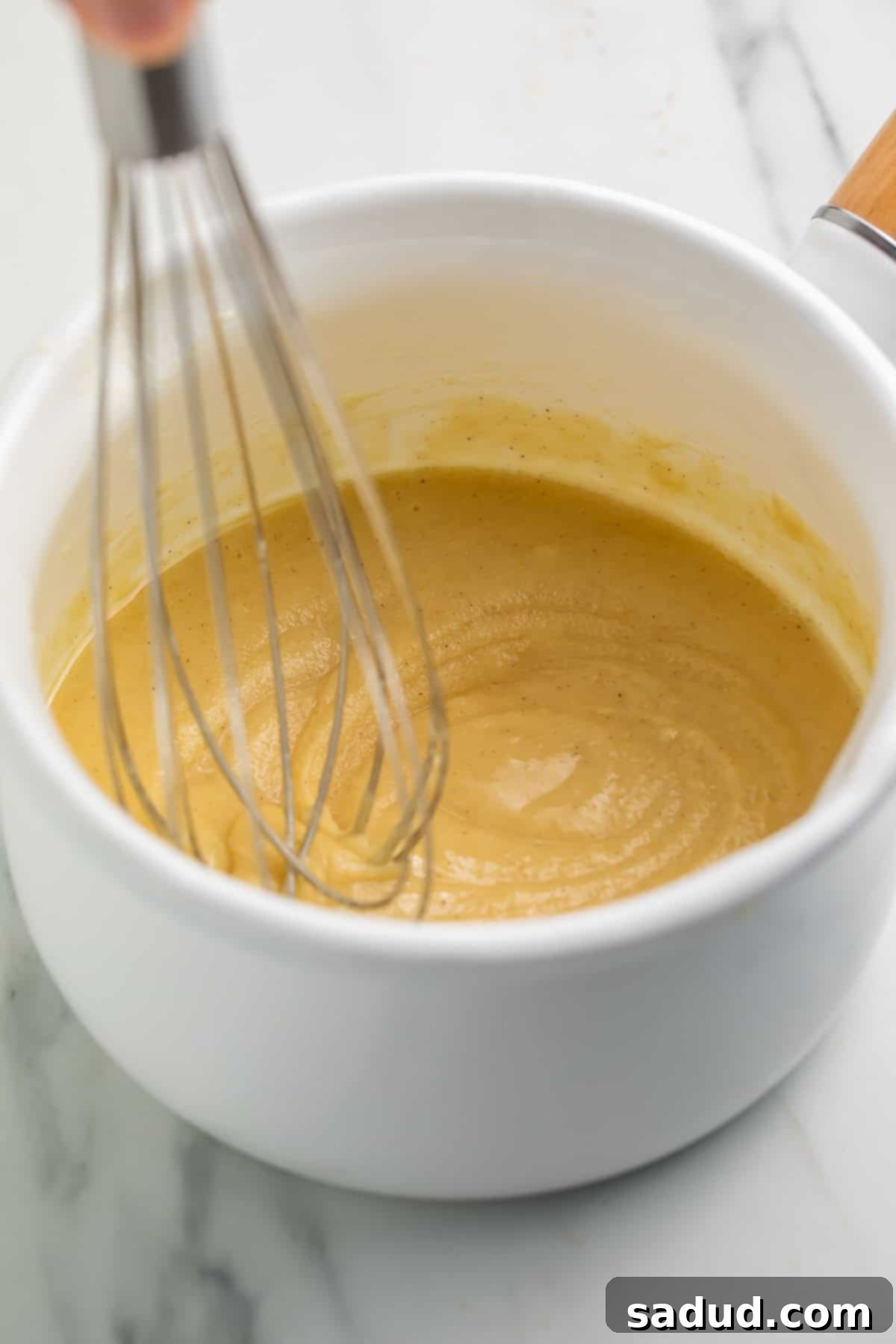
Continue to cook this mixture over medium-low heat, whisking almost constantly. The cooking time will vary depending on the type of roux you desire (light, medium, or dark – refer to the notes below for specific timings). This process can take anywhere from 2 minutes for a light roux up to 30 minutes or more for a very dark roux. The key is patience and continuous stirring to ensure even cooking and to prevent the roux from sticking and burning. Watch the color carefully and don’t let it burn – if it does, it will taste bitter, and you’ll need to start over. Let the browning happen slowly and gradually for the best flavor development.
Notes
This light roux should have a pale, sandy color, similar to white beach sand. It offers the most thickening power and is ideal for delicate white sauces, creamy cheese sauces (like for macaroni and cheese), and to gently thicken soups such as Alfredo or bechamel. It has a neutral flavor, allowing other ingredients to shine.
Medium Roux (Cook 5–7 minutes)
A medium roux should achieve a light tan or peanut butter color and develop a pleasant, nutty aroma. This stage offers a balance of thickening power and a more pronounced, savory flavor. It’s excellent for enriching gravies, heartier chowders, and casseroles, adding depth without being overly dominant.
Dark Roux (Cook 8–12 minutes, or up to 30 mins, stirring constantly to make sure it does not burn)
This deep caramel-colored roux, sometimes reaching the color of milk chocolate, is all about rich, toasted flavor. While its thickening power is reduced, it imparts a profound, complex taste that is quintessential for Cajun and Creole dishes such as gumbo, étouffée, and jambalaya. Achieving a dark roux requires significant patience and unwavering attention to avoid burning.
Nutrition Information
Number of total servings shown is approximate. Actual number of servings will depend on your preferred portion sizes.
Nutritional values shown are general guidelines and reflect information for 1 serving using the ingredients listed, not including any optional ingredients. Actual macros may vary slightly depending on specific brands and types of ingredients used.
To determine the weight of one serving, prepare the recipe as instructed. Weigh the finished recipe, then divide the weight of the finished recipe (not including the weight of the container the food is in) by the desired number of servings. Result will be the weight of one serving.