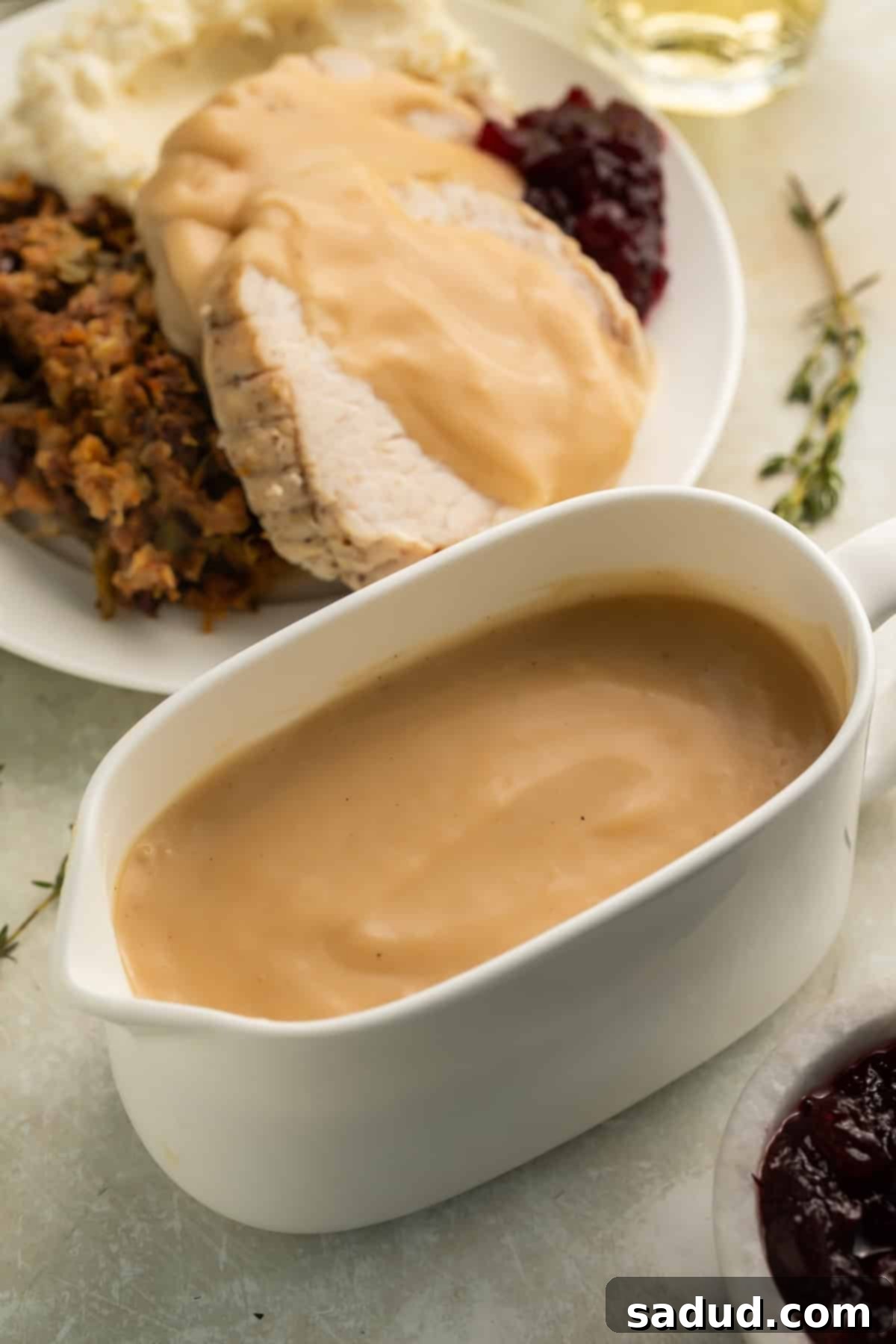
The Best Easy Gluten-Free Turkey Gravy Recipe for a Perfect Thanksgiving Feast
Thanksgiving dinner is a celebration of warmth, family, and incredible food. At the heart of many holiday meals is a rich, savory gravy, generously poured over turkey, mashed potatoes, and stuffing. For those managing gluten sensitivities or seeking a lighter yet equally delicious option, finding a truly exceptional gluten-free gravy can often be a challenge. But fret no more! This incredible Gluten-Free Turkey Gravy recipe is designed to be the undisputed star of your holiday table. Requiring just 5 essential ingredients, it effortlessly delivers a luxurious, silky smooth consistency and a depth of flavor that rivals any traditional gravy. Whether you’re harnessing the savory pan drippings from your freshly roasted turkey or starting with high-quality turkey stock, this recipe guarantees a foolproof, delicious result every single time. Prepare to make a generous batch, because this homemade gluten-free turkey gravy will be so popular, everyone will be asking for seconds!

Why You’ll Love This Easy Gluten-Free Turkey Gravy Recipe
This Thanksgiving, elevate your holiday feast with a gravy that truly stands out, catering to all dietary needs without compromising on flavor or texture. Here’s a deeper look into why this simple gluten-free turkey gravy recipe is set to become your new holiday favorite:
- Ultimate Versatility: Works with Pan Drippings OR Turkey Stock. One of the standout features of this recipe is its incredible adaptability. You are not bound by the necessity of roasting a turkey to make an exceptional gravy. While the savory, concentrated flavors of genuine turkey pan drippings are undeniably fantastic, this recipe performs equally well with quality turkey stock. This flexibility is a huge advantage for pre-Thanksgiving preparation, allowing you to get ahead of the holiday rush. It’s also perfect for situations where traditional drippings aren’t available or desirable, such as if you’ve smoked your turkey breast, cooked a turkey in an unconventional way, or even tried deep-frying a turkey where the drippings might not be suitable for gravy. This means a delicious, homemade gravy is always within reach!
- Achieves a Perfectly Smooth & Silky Texture Without Compromise. Many gluten-free recipes struggle to replicate the smooth, unctuous texture of their traditional counterparts. This turkey gravy recipe elegantly solves that problem by simply switching regular wheat flour for a good quality gluten-free all-purpose flour in a classic roux. This method creates a stable, consistent thickener that ensures your gravy stays beautifully smooth and silky, without any of the gummy, gloopy, or grainy textures sometimes associated with alternative thickeners. You won’t find any strange additives here – just pure, rich, velvety gravy.
- Minimal Ingredients, Maximum Flavor: Only 5 Core Components! With just five foundational ingredients, this recipe is remarkably straightforward, making it accessible for home cooks of all experience levels. You won’t need to hunt for obscure items; the ingredients are common pantry staples. This simplicity not only saves time but also allows the natural, robust flavors of the turkey and seasonings to truly shine through, resulting in a profoundly satisfying gravy.
- Quick Preparation, Even on a Busy Day. In the hustle and bustle of Thanksgiving cooking, every minute counts. This gravy comes together swiftly, with a prep time of just 15 minutes and a cook time of 10 minutes. This efficient timeline means you can whip up a fresh batch of gravy just before serving, or prepare it in advance to further streamline your holiday meal preparation, ensuring a warm, delicious accompaniment is ready exactly when you need it.
- A Truly Inclusive Holiday Dish. For hosts accommodating guests with gluten sensitivities or celiac disease, this recipe is a godsend. It means everyone at the table can enjoy the full, comforting experience of a traditional Thanksgiving meal, gravy and all. No one has to miss out on the rich flavor and luxurious texture, making your holiday feast more joyful and inclusive.
Essential Ingredients for Your Perfect Gluten-Free Gravy
Crafting exceptional gravy begins with a clear understanding of each ingredient’s role. This recipe features a concise list of components, each thoughtfully chosen to contribute to its delicious and perfectly textured outcome:
- Butter: The foundation of our gluten-free roux, butter contributes essential richness and flavor. Unsalted butter is typically recommended as it gives you precise control over the overall seasoning, allowing you to add salt to taste without overdoing it. However, if salted butter is all you have, simply be mindful when adding additional salt later in the recipe.
- Gluten-Free All-Purpose Flour: This is the crucial ingredient that makes our gravy accessible to everyone. It replaces traditional wheat flour to create the roux. It’s vital to select a high-quality, commercially blended gluten-free all-purpose flour. These blends usually contain a mix of different flours (like rice flour, potato starch, and tapioca starch) along with a binder such as xanthan gum. The xanthan gum is key to preventing grittiness and achieving that desirable smooth, thick, and non-gummy consistency. Avoid using single-ingredient gluten-free flours on their own, as they may not provide the necessary structure and texture.
- Black Pepper: For the best flavor, freshly ground black pepper is highly recommended. Its aromatic qualities and robust, warm spice profile significantly enhance the overall taste of the gravy. The amount can be adjusted to your personal preference; some prefer a subtle hint, while others enjoy a more pronounced peppery kick. Feel free to be generous!
- Turkey Pan Drippings or Turkey Stock: This component is the heart and soul of your gravy’s flavor profile. The choice between drippings and stock offers excellent versatility:
- Turkey Pan Drippings: These are the golden, flavorful juices left behind in your roasting pan after cooking a turkey. They are concentrated with incredible turkey flavor and essential for a truly authentic gravy. Before using, ensure you strain them through a fine-mesh sieve to remove any solids (like herb bits or small turkey fragments) and allow them to sit so you can easily skim off any excess fat from the top. While a little fat adds richness, too much can make the gravy greasy.
- Turkey Stock (or Chicken Stock): If pan drippings aren’t available, or if you prefer to make your gravy ahead of time, a high-quality turkey or chicken stock is an excellent substitute. Opt for low-sodium versions whenever possible to have better control over the final salt content of your gravy. You can also combine drippings with stock to reach the required liquid volume, blending the best of both worlds.
Step-by-Step Guide to Making Silky Gluten-Free Turkey Gravy
Achieving a perfect, lump-free gravy is simpler than you might think. Follow these detailed steps to ensure your gravy is smooth, flavorful, and the ideal consistency every time, expanding on the quick instructions found in the recipe card.
1. Preparing Your Turkey Drippings (or Stock)
If you’ve just roasted a turkey, carefully pour all the pan drippings through a fine-mesh strainer into a heatproof measuring cup or bowl. This crucial step removes any solids that could make your gravy chunky. Allow the strained drippings to settle for about 5-10 minutes. During this time, the fat will separate and rise to the surface. Using a spoon or a fat separator, carefully skim off the majority of the fat. Leaving a tiny bit of fat can add richness, but too much will result in a greasy gravy. Once defatted, measure your drippings. If you have less than 4 cups, simply add enough high-quality chicken or turkey broth (or even water, though stock adds more flavor) to reach the 4-cup mark. If you are starting solely with stock, measure out 4-5 cups.
2. Creating the Perfect Gluten-Free Roux
In a medium-sized saucepan, melt ½ cup of butter over medium-low heat. Once the butter is fully melted and lightly shimmering, it’s time to incorporate the gluten-free flour to create your roux. Gradually sprinkle ¾ cup of your gluten-free all-purpose flour over the melted butter. It is absolutely critical to whisk constantly and vigorously during this step. Continuous whisking prevents lumps from forming and ensures the flour cooks evenly. Continue whisking this mixture for approximately 3 minutes over low heat. This process is essential not only for cooking out the raw, pasty taste of the flour but also for developing a rich, slightly nutty flavor that will deepen the overall taste of your gravy. Do not rush this step; an undercooked roux is a common cause of poor-tasting gravy.
3. Slowly Incorporating the Liquid to Thicken
Once your roux has cooked for the recommended time and achieved a light golden color, begin slowly adding the 4 cups of prepared turkey broth or drippings. Pour the liquid in gradually, while simultaneously whisking constantly and energetically. This steady, continuous whisking is the secret to a lump-free and smooth gravy. As you pour and whisk, the mixture will gradually begin to thicken. Continue to cook and whisk over medium-low heat until the gravy comes to a gentle bubble and achieves your desired thick and creamy consistency. This typically takes about 3 minutes. If, after simmering, your gravy appears too thick, you can easily thin it out by whisking in an additional ½ to 1 cup of warm turkey stock (or chicken broth) until it reaches your preferred pourable consistency.
4. Seasoning and Final Preparation
With your gravy thickened to perfection, it’s time for the final seasoning. Whisk in at least ½ teaspoon of freshly ground black pepper. Taste the gravy and adjust the seasoning as needed. Many find that a generous amount of black pepper truly enhances the flavor of turkey gravy, so feel free to add more if you enjoy a pronounced peppery kick! Depending on the inherent saltiness of your drippings or stock, you may also need to add a pinch of salt. Serve the gravy immediately to ensure it’s piping hot and at its best. If you need to keep it warm before serving, transfer it to a warmed gravy boat or keep it in the saucepan over the lowest possible heat setting. Always give it a quick, vigorous whisk just before serving to re-emulsify and restore its smooth texture.

Chef’s Top Tips for Flawless Gluten-Free Turkey Gravy
Even with a straightforward recipe, a few insider tips can elevate your gluten-free turkey gravy from good to truly extraordinary. Pay attention to these expert recommendations for gravy perfection:
- Master the Roux: Don’t Skimp on Cooking the Flour. This is arguably the most critical step for any gravy, especially gluten-free. When you melt the butter and gradually whisk in the gluten-free all-purpose flour, you are creating what’s known as a roux. It is absolutely essential to cook this flour-and-butter mixture over low heat for a minimum of 2-3 minutes, stirring constantly. This slow cooking process does two vital things: it cooks out the raw, starchy taste of the flour, preventing your gravy from tasting pasty or unpleasant, and it allows the flour to toast slightly, developing a delicate, nutty flavor that adds incredible depth to the finished gravy. Rushing this step will result in a raw flour taste – a common pitfall that’s easily avoided with a little patience.
- Preventing a “Skin” When Making Ahead: Gravy is undoubtedly at its peak when served fresh and warm. However, if you’re looking to minimize last-minute stress on Thanksgiving day, you can certainly prepare this gravy a day in advance. To prevent an unsightly and unappetizing “skin” from forming on the surface as it cools and chills in the refrigerator, simply lay a piece of plastic food wrap directly onto the surface of the gravy. Press the wrap down so it touches the entire surface, creating an airtight seal. This technique keeps the top moist and beautifully smooth. When ready to serve, gently reheat over low heat, whisking constantly until it’s warmed through and smooth again.
- Achieving Your Desired Consistency: Gravy consistency is a matter of personal preference, and sometimes you might need to make minor adjustments. If your gravy appears too thick after simmering, simply whisk in a tablespoon or two of extra warm turkey stock, chicken broth, or even water until it reaches your desired pourable texture. Conversely, if your gravy is too thin, you can easily thicken it by preparing a quick slurry: whisk together one tablespoon of gluten-free flour with two tablespoons of cold water until smooth. Slowly whisk this slurry into your simmering gravy and continue to cook for another minute or two, whisking constantly, until it thickens to your liking.
- Avoiding Lumps – The Whisking Secret: The dreaded lumpy gravy can be prevented with one simple action: consistent and thorough whisking. Ensure you whisk continuously when adding the flour to the melted butter for the roux, and even more importantly, when slowly pouring the liquid into the roux. Vigorously whisking at these stages helps to smoothly incorporate the ingredients, preventing flour from clumping. If, despite your best efforts, a few stubborn lumps do form, don’t despair! You can press the gravy through a fine-mesh strainer using the back of a spoon, or use an immersion blender directly in the saucepan to achieve a perfectly smooth consistency.
- Enhance the Flavor Profile: To add an extra layer of gourmet flavor, consider a few enhancements. A splash of dry white wine or sherry added to your drippings (or stock) and reduced slightly before making the roux can introduce a wonderful complexity. Incorporating a teaspoon of dried herbs like sage, thyme, or rosemary into your roux as it cooks can infuse the gravy with aromatic holiday notes. For an umami boost, a dash of gluten-free tamari (soy sauce) or even a pinch of mushroom powder can work wonders. Always taste and adjust seasonings at the end.
- Seasoning is Paramount: The saltiness of your gravy can vary significantly based on the inherent salt content of your turkey drippings or the brand of stock you use. Always taste your gravy before making final seasoning decisions. Adjust salt and pepper as needed. A final sprinkle of fresh, finely chopped parsley or chives stirred in just before serving can also add a delightful freshness and a pop of color.
Serving Suggestions & Storage Solutions
Once you’ve crafted this incredible gluten-free turkey gravy, you’ll find countless ways to enjoy it beyond the main holiday meal. Here are some perfect pairings and practical tips for storing and reheating any delicious leftovers:
Perfect Pairings for Your Gluten-Free Gravy
This rich and flavorful gravy is designed to complement a wide array of dishes, making it a versatile addition to any meal:
- Roasted Turkey: The quintessential partner! A generous pour of this gluten-free gravy over slices of roasted turkey not only adds moisture but also enhances the bird’s savory flavors, making every bite succulent and satisfying.
- Creamy Mashed Potatoes: Imagine a fluffy mound of mashed potatoes with a warm, inviting well of gravy in the center. The gravy soaks into the potatoes beautifully, creating a comforting, irresistible combination that is a staple for a reason.
- Flavorful Stuffing or Dressing: Whether you prefer a classic savory bread stuffing, a vibrant vegetable dressing, or a hearty cornbread dressing, a drizzle of this gravy ties all the elements together, adding moisture and a rich, cohesive flavor.
- Fluffy Biscuits or Dinner Rolls: Don’t underestimate the simple pleasure of a warm, homemade biscuit or a soft dinner roll dipped into a pool of savory gravy. It’s an excellent way to savor every last drop on your plate.
- Roasted Vegetables: Elevate your favorite roasted vegetables, such as Brussels sprouts, green beans, carrots, or asparagus, with a light drizzle of this flavorful gravy. It transforms simple sides into elegant accompaniments.
- Leftover Turkey Sandwiches or Hot Turkey Sandwiches: The day after Thanksgiving offers its own culinary delights. A warmed leftover turkey sandwich, or an open-faced “hot turkey” sandwich, becomes an extraordinary meal when smothered in this delicious gravy.
- Breakfast Hash or Savory Waffles: For a unique twist, consider serving this gravy over a savory breakfast hash with eggs, or even with savory cornmeal waffles topped with pulled turkey.
Storing and Reheating Your Gluten-Free Gravy
This gravy is so utterly delicious, you’ll certainly want to save any leftovers to enjoy later! Here’s how to properly store and reheat it:
- Refrigeration: To store leftover gravy, transfer it to an airtight container. It will keep well in the refrigerator for up to 3-4 days. Remember the chef’s tip: for best results and to prevent a skin from forming, press a piece of plastic food wrap directly onto the surface of the gravy before sealing the container.
- Freezing: This gluten-free gravy freezes exceptionally well, making it perfect for meal prep or enjoying holiday flavors months later. Pour completely cooled gravy into freezer-safe containers, heavy-duty freezer bags, or even ice cube trays for convenient single-serving portions. It can be frozen for up to 3 months. To use, thaw overnight in the refrigerator before reheating.
- Reheating: To reheat refrigerated or thawed frozen gravy, gently warm it in a saucepan over low heat. Whisk constantly as it heats to ensure it becomes smooth and evenly warmed through. Gravy often thickens further upon chilling; if it’s too thick after reheating, simply whisk in a tablespoon or two of warm turkey stock, chicken broth, or water until it reaches your desired, pourable consistency. Be patient and reheat slowly to maintain its velvety texture.
Frequently Asked Questions About Gluten-Free Turkey Gravy
Navigating the world of gluten-free cooking can bring up questions, especially for a staple like gravy. Here are answers to some common queries:
- Q: Can I use cornstarch or arrowroot powder instead of gluten-free flour?
A: While cornstarch and arrowroot powder are indeed effective gluten-free thickeners, they create a different textural profile compared to a flour-based roux. They tend to yield a glossier, more translucent, and somewhat gel-like gravy, rather than the opaque, velvety, and rich texture that gluten-free all-purpose flour provides. For a gravy that closely mimics traditional versions, sticking to a gluten-free flour roux is recommended. If you do opt for cornstarch or arrowroot, create a slurry by whisking it with a small amount of cold water before stirring it into your hot liquid to prevent lumps. - Q: My gravy turned out lumpy! How can I fix it?
A: Lumps usually form when the flour isn’t fully incorporated into the butter to create a smooth roux, or when the liquid is added too quickly without continuous and vigorous whisking. The good news is, lumpy gravy is often salvageable! You can try whisking it very vigorously for another minute or two over heat. If lumps persist, you have two excellent options: either carefully pour the gravy through a fine-mesh sieve or strainer, pressing any solids through with the back of a spoon, or use an immersion blender directly in the saucepan to achieve a perfectly smooth consistency. - Q: How do I make this gravy dairy-free?
A: Making this gluten-free gravy dairy-free is quite simple. Replace the butter with a high-quality dairy-free butter alternative (many excellent plant-based options are available) or use an equivalent amount of olive oil. Additionally, ensure that your turkey drippings or stock are also dairy-free. The rest of the preparation steps remain the same, allowing you to enjoy a delicious, inclusive, dairy-free and gluten-free gravy. - Q: What kind of gluten-free all-purpose flour works best for gravy?
A: For the best results, opt for a good quality, commercially produced gluten-free all-purpose flour blend. These blends are typically formulated with a balance of rice flour, potato starch, tapioca starch, and often include a binder like xanthan gum. Brands such as Bob’s Red Mill 1-to-1 Baking Flour or King Arthur Gluten-Free All-Purpose Flour are excellent choices as they are designed to perform similarly to wheat flour in baking and thickening applications like a roux, ensuring a smooth and reliable gravy. - Q: Can I make this gravy even richer or add more flavor?
A: Absolutely! To enhance richness, you can whisk in an extra tablespoon of unsalted butter at the very end, right before serving, until it’s fully melted and incorporated. For deeper flavor, consider adding a dash of gluten-free tamari (soy sauce for umami), a splash of dry red wine (simmer briefly to cook off the alcohol), a pinch of poultry seasoning, or a teaspoon of dried mushrooms (powdered) while the gravy simmers. Fresh herbs like finely chopped rosemary or sage can also be added at the end for a fresh aromatic boost. - Q: My gravy tastes too salty. How can I fix it?
A: If your gravy is too salty, you can try diluting it by whisking in a few tablespoons of unsalted turkey stock, chicken broth, or water. Another common chef’s trick is to add a small, peeled raw potato to the simmering gravy for about 10-15 minutes; the potato can absorb some of the excess salt. Remember to remove the potato before serving. Always start with low-sodium stock and taste before adding salt to avoid this issue.
More Gluten Free Holiday Recipes You’ll Love
Looking for more delicious gluten-free options to complete your holiday menu or everyday meals? Explore these fantastic recipes from our collection:
- Gluten Free Roux for Gravy
- Copycat Texas Roadhouse Green Beans Recipe
- Homemade Pumpkin Ice Cream (without a machine!)
- Gluten Free Sausage Stuffed Mushrooms
- Roasted Brussels Sprouts Salad
- Gluten Free Gingerbread Cake
If you loved this recipe as much as we did, don’t forget to leave us a review below. ★ Follow Easy Healthy Recipes on Pinterest, Facebook, and Instagram, too!
For more delicious recipes, visit our sister sites, 40 Aprons and Easy Cheap Recipes.

Easy Gluten Free Turkey Gravy
 Cheryl Malik
Print
SaveSaved!
Ingredients
- ½ cup butter
- 1 cup gluten-free all-purpose flour
- ½ – 1 teaspoon black pepper
- 4-5 cups pan drippings or stock, or add more stock to make 4 cups pan drippings, plus 1 cup more for desired consistency
Instructions
-
Drain the pan drippings for the roasted turkey through a fine strainer. Let sit and then remove any fat from the top of the drippings. Add in chicken broth or water to make 4 cups if necessary.
-
In a medium saucepan, melt butter.
-
Sprinkle 3/4 cup gluten-free all-purpose flour over, whisking constantly about 3 minutes over low heat.
-
Slowly add in the 4 cups turkey broth/drippings; whisk constantly over medium-low heat until bubbly and thickened (about 3 minutes). Whisk in at least 1/2 teaspoon black pepper (freshly ground is best), plus more (lots of black pepper is delicious here!)
-
Use right away or keep warm over lowest heat setting, whisk again before serving.
Notes
- While this gravy will be best made in time for Thanksgiving dinner and kept warm, if you want to make it a day ahead lay a piece of food wrap over the surface of the gravy in the refrigerator to stop a skin forming.
- Don’t skimp on cooking the flour down in the butter – if you don’t do this properly you’ll get a raw flour taste in your gravy – yuck!
- Adjusting Consistency: If your gravy is too thick, whisk in a tablespoon or two of warm turkey stock or water until it reaches your desired consistency. If it’s too thin, create a small slurry of 1 tbsp gluten-free flour mixed with 2 tbsp cold water, then whisk into simmering gravy and cook for another minute or two.
- Avoiding Lumps: The key to lump-free gravy is constant whisking, especially when adding the liquid to the roux. If lumps do form, pass the gravy through a fine-mesh strainer or use an immersion blender.
Nutrition Information
Number of total servings shown is approximate. Actual number of servings will depend on your preferred portion sizes.
Nutritional values shown are general guidelines and reflect information for 1 serving using the ingredients listed, not including any optional ingredients. Actual macros may vary slightly depending on specific brands and types of ingredients used.
To determine the weight of one serving, prepare the recipe as instructed. Weigh the finished recipe, then divide the weight of the finished recipe (not including the weight of the container the food is in) by the desired number of servings. Result will be the weight of one serving.